New York Estate Law

A New York estate law reference

New York estate law, explained with the authority you need.

Probate, administration, will contests, and fiduciary litigation in Surrogate’s Court, from The Wagner Firm in Brooklyn.

The statutory framework

Understanding New York Estate Law

Estate matters in New York are governed by two statutes, the Estates, Powers and Trusts Law (EPTL) and the Surrogate’s Court Procedure Act (SCPA), and by the practices of each county’s Surrogate’s Court.
The rules are technical, the deadlines are real, and mistakes by a fiduciary can be charged against them personally.
This site explains the law as it actually operates: what the statutes require, how the Surrogate’s Court handles each type of proceeding, and where disputes arise.
The Wagner Firm represents executors, administrators, beneficiaries, and objectants in Kings County Surrogate’s Court and throughout the New York metropolitan area.
TWO STATUTES. ONE FRAMEWORK.
EPTL — Who inherits and how trusts work
SCPA — How the Surrogate’s Court proceeds
Guidance by subject

Explore New York Estate Law

Probate

Probate

Understand how a will is proved, how an executor is appointed, and how a probate proceeding moves through Surrogate’s Court.
Estate Administration

Estate Administration

When someone dies without a will, understand the priority for appointment of an administrator and how New York intestacy rules govern distribution.
Will Contests

Will Contests

Learn about challenges involving due execution, testamentary capacity, undue influence, and fraud.
Fiduciary Duties and Removal

Fiduciary Duties and Removal

Understand fiduciary obligations, accountings, objections, surcharge, and removal proceedings under SCPA §§ 711 and 719.
Spousal and Family Rights

Spousal and Family Rights

Explore elective-share rights, exempt property, and potential rights of children born after a will was signed.
Estate Real Estate

Estate Real Estate

Learn about estate property transfers, Brooklyn homes, cooperative apartments, heirs’ property, and partition proceedings.
From petition to appointment

How the Probate Process Works

A Surrogate’s Court overview

1

Petition and Original Will

File the original will, death certificate, and petition.

2

Citation or Waiver

Notify the required distributees or obtain waivers.

3

Objections, If Any

Address objections and applicable SCPA 1404 examinations.

4

Will Admitted

The court determines whether the will can be admitted to probate.

5

Letters Testamentary

The court issues letters appointing the executor.
Intestacy and appointment

When There Is No Will: Estate Administration

When there is no will, a distributee petitions for letters of administration. The statute sets the order of priority: spouse, then children, and so on. The administrator distributes the estate under the intestacy rules of EPTL 4-1.1. Where relatives are unknown or distant, the Public Administrator may be appointed and a kinship hearing may be required before distribution.

Suggested priority for appointment as administrator

APPOINTMENT, NOT INHERITANCE SHARES

1

Spouse

2

Children

3

Grandchildren

4

Parents

5

Siblings

6

Other eligible relatives, as applicable

ⓘ This order concerns appointment as administrator. It does not determine inheritance shares under EPTL 4-1.1.
Contested estates & fiduciary accountability

Challenging a Will

Due Execution

Testamentary Capacity

Undue Influence

Fraud

A will contest may involve questions about how the will was executed, the testator’s capacity, undue influence, or fraud. These matters can turn on medical records, preparation circumstances, and witness testimony.
Fiduciary Duties and Removal

Fiduciary Duties and Removal

Executors, administrators, and trustees owe duties of loyalty, prudence, and full disclosure. Beneficiaries may seek accountings, object to them, or pursue surcharge and removal where appropriate.
Counsel, close to home

Why The Wagner Firm

Brooklyn-Based Experience

Located at 2055 Flatbush Avenue, with regular appearances in Kings County courts.

Direct Attorney Access

Direct access to the attorney handling your matter, not a call center.

Clear Engagement Terms

Flat-fee options for many routine matters, with terms explained before work begins.

Broad Legal Experience

Decades of combined litigation and transactional experience across New York’s state and federal courts.

Jimmy Wagner, Esq.

Attorney, The Wagner Firm
Brooklyn, New York
The people behind the practice

Meet The Wagner Firm

Jimmy Wagner

Jimmy Wagner, Esq.

Attorney, The Wagner Firm

Jimmy Wagner is the founder and principal of The Wagner Firm, a Brooklyn-based practice located at 2055 Flatbush Avenue. A Brooklyn native, he attended John Jay College of Criminal Justice and Syracuse University College of Law.

Areas of experience

New York litigation, probate, estate matters, real estate, arbitration, and business matters.

Taylor Fell, Esq.

Associate Attorney

ADMISSION STATUS
Admitted in Texas; New York admission pending. Practicing under the supervision of a New York-admitted attorney.
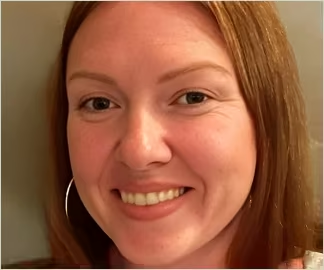
Kelly O’Brien

Kelly O’Brien

Paralegal

Adrianna Farrell

Paralegal (Non-Attorney)

Questions & answers

Frequently Asked Questions

Expand a question to read the answer.
How long does probate take in Kings County?
An uncontested probate typically takes several months from filing to letters. The full administration usually runs seven months to a year because creditors have seven months to present claims.
Estates whose personal property is under the statutory threshold (currently $50,000, excluding real estate) can use a simplified voluntary administration proceeding under SCPA Article 13.

Yes. SCPA 2307 sets a sliding scale commission based on the value of the estate. Attorneys’ fees are separate and paid from the estate subject to court review.

No, but local experience matters. Each Surrogate’s Court has its own practices, and Kings County is one of the busiest in the state.